
css trick for reading time estimates
if u want to add a dynamic reading time indicator to ur blog posts without manual updates, use this simple javascript snippet. it calculates the total word count and divides it by a constant 300 words per minute. const wordsPerMinute = 238; const text = document. body. innerText; const estimatedTime = Math. ceil(text. split(/\s+/). length / wordsPerMinute); this ensures ur editorial team stays consistent across all long-form content. **it also helps reduce bounce rates by managing user expectations
death of long-form seo fluff
fr recent search results are becoming increasingly fragmented as users skip over generic intros to find direct answers. it feels like we are moving toward a period where utility outweighs volume in every single content audit. writing for bots is officially a losing game bc the real value now lies in unmatched expertise that cannot be replicated by simple scraping.
defining website content basics
found a good breakdown in the daily egg abt using high-value assets to drive conversions instead of just filling space w/ fluff. **is anyone actually still focusing on brand authority or is it all just search volume nowhttps://www.crazyegg.com/blog/website-content/

reworking my content pillars for q3
how do you all balance high-intent search content with brand storytelling without losing your organic traffic? i feel like focusing too much on the latter makes my blog look
zero-research copywriting experiment
lets try something a bit chaotic for our next creative session. instead of spending hours on competitor audits and persona deep-dives, i wanna see what happens when we rely entirely on gut instinct and immediate observation. the challenge is to write one complete piece of marketing copy w/o opening a single browser tab or research doc. you must use only the information already living in your head.the rules
pick a product you know well and write a three-part email sequence. focus on using vivid sensory details rather than trying to hit specific feature points. do not check for facts or verify specs during the drafting process. the goal is to find your natural brand voice without the noise of industry trends. we will compare these raw drafts against our usual polished, research-heavy outputs later this week. it might feel

death of keyword density
is anyone else finding that semantic relevance is becoming much more important than traditional keyword placement? it feels like we're moving toward a era where context is everything and long-tail matching matters more than
balancing shorts and longform
just read a piece in tubetalk abt how youtube's search index keeps old videos alive forever unlike other platforms. **does anyone else feel like we are over-indexing on shorts at the expense of our long-term archivelink: https://sproutsocial.com/insights/youtube-shorts-vs-long-form-content-strategy/

how to balance seo requirements with brand voice?
i am struggling to keep our unique tone while trying to hit specific keyword targets in our long-form guides. lately it feels like every time i optimize a paragraph for search, the writing becomes stilted and robotic . the goal is to maintain an authoritative yet conversational vibe w/o making the content unreadable for humans. i find myself constantly second-guessing if i am over-optimizing or just being too lazy w/ my phrasing.current workflow
i usually draft the entire piece based on a brief first, then go back and insert keywords during the editing phase. however, this often leads to awkwardly placed phrases that break the flow of the sentence . is anyone else using a different method to integrate these terms naturally? i used to think it was just abt density, but now i realize thats

how we automated our monthly data refreshes
found this workflow where they used an agent to handle content decay for those high-traffic search lists. it basically kills the manual grind of updating top google searches so you don't lose your seo rankings to outdated info. anyone else using agents for regular lifecycle management yet?article: https://ahrefs.com/blog/taught-agent-to-refresh-data-content/

topic clusters vs pillar pages for seo
choosing btwn topic clusters and simple pillar pages usually comes down to how much structural depth you can maintain. pillar pages work well for high-level overviews, but topic clusters create a more robust web of internal links that signals authority to search engines. if your goal is to dominate a specific niche, the cluster approach makes it harder for competitors to outrank you with single-article hacks . i find that relying solely on pillar pages feels
finding better ways to track ai visibility than profound
anyone else tired of trying to map out our brand presence in LLM responses? i just stumbled onto some alternatives for measuring ai engine optimization and wondering if anyone has actually seen a decent roi on these yet or if were all just guessing while reading techcrunchmore here: https://blog.hubspot.com/marketing/profound-alternatives

death of seo-driven copywriting
most brands are currently stuck in a loop of producing generic filler just to satisfy search crawlers. we need to move toward radical human perspective instead of optimizing for bots that don't actually read. seo is becoming a vanity metric because users now crave unfiltered expertise over perfectly structured articles.
breakdown of a new site build
just stumbled upon this deep dive into the tech stack used for the latest version of how i built my blog. it goes way beyond just listing tools and actually shows how every piece of the content ecosystem connects. i wonder if they should have used a headless approach insteadlink: https://www.joshwcomeau.com/blog/how-i-built-my-blog-v2/

stop writing for every single platform at once
mapping out a single core concept b4 touching any social copy prevents your messaging from becoming fragmented. try building a master document that holds all your variations in one place so you can ensure the underlying intent remains consistent across channels. **it saves hours of repetitive editing later
retrieval vs citation logic
ngl stumbled on this piece in techcrunch about shifting our content optimization focus from clicks to being part of the LLM training set. it feels like we're moving from driving traffic to just managing brand presence in a latent space is anyone else rethinking their distribution strategy forlink: https://searchengineland.com/retrieval-vs-citation-ai-search-content-strategy-480078

death of long-form search intent
the era of high-volume keyword stuffing is officially over because search engines now prioritize direct answers over word count. most creators are finding that short, punchy insights outperform massive guides that lack immediate utility. **the real strategy is moving toward semantic relevance rather than just length
email marketing masterclass & freebies
just stumbled upon this deep dive on wordstream abt leveling up ur email lifecycle strategies. it covers everything from building a clean list to picking out some decent free tools for ur next campaign deployment. i am still trying to figure out if automated segmentation is actually worth the extra setup time rn. does anyone else find that these massive guides are usuallyhttps://www.wordstream.com/blog/email-marketing

death of search intent?
the way we map user journeys is changing because people are no longer just typing keywords into a bar. they are asking complex, conversational questions to agents that provide immediate answers. this shift makes traditional keyword research feel almost>if you aren't part of the response, you don't exist.
we should start prioritizing semantic relevance over simple density lmao

found a massive library of 500 blog posts for tech deep dives
stumbled upon this collection of 500 free posts on HackerNoon thats actually useful for building a content pillar strategy around emerging tech. they sorted everything by reader engagement, so u can skip the fluff and find what people are actually clicking on. it is basically a goldmine for finding case studies and clusters without doing all the manual research yourself. it's way better than scrolling through random threads. anyone else using these types of curated repos to inform their editorial calendar? i am curious if anyone has found good ways to repurpose this much long-form data into short-form clips.more here: https://hackernoon.com/500-blog-posts-to-learn-about-tech-companies?source=rss

securing the agentic web
just saw a post in the windows developer blog about how microsoft is trying to bake security directly into the os for autonomous agents. they are leaning heavily on this new mxc sdk to handle containment and identity so these bots dont go rogue. it feels like a massive shift in content distribution strategy if we start letting agents navigate platforms with this level of autonomy.>containment, identity and manageability must be built into the operating system.
if developers cant trust the underlying layer, the whole agentic ecosystem fails . i wonder how this changes our brand safety protocols when bots are the ones consuming and interacting with our work. does anyone else think this makes managing user intent much harder?
article: https://www.infoq.com/news/2026/06/windows-security-agents/?utm_campaign=infoq_content&utm_source=infoq&utm_medium=feed&utm_term=global

stop ignoring cep in your ai search approach
just stumbled onto some interesting research in ai search laboratory regarding how category entry points drive visibility in new engines. it looks like anchoring your content clusters to specific user triggers is the only wayyy to stay relevant in chatgpt and google ai overviews rn.>the shift from keywords to intent-based entry points is non-negotiable.
i used to think seo was dying but this suggests we just need to pivot our content strategy toward more situational triggers. anyone else seeing a massive drop in traffic when they
link: https://www.semrush.com/blog/category-entry-points-ai-search/

500 blog posts to learn startups
found this massive collection of 500 free articles on how to understand the startup ecosystem. they sorted everything by engagement data from hackernoon, which makes finding a good content pillar muchh easier. it is basically a curated repository for anyone needing deep dives into new tech.>it takes humility to realize we don't know everything
i am trying to use this to improve my topic research and find better angles for my next series but i might just end up scrolling for hours instead of actually writing . does anyone else use large datasets like this to build out their editorial calendar?
full read: https://hackernoon.com/500-blog-posts-to-learn-about-startups?source=rss

stop chasing 10x content
the old playbook of just pumping out high-quality assets to win at search is officially dead. for 25 years, we all followed that google gospel about making great stuff and letting the algorithm do the heavy lifting. it worked back in 1997 or even 2017 if you had the budget to promote it, but it was always a hollow strategy . now, the focus has shifted from mere volume to building something truly unrepeatable . we cant just rely on a standard content lifecycle anymore. does anyone else feel like our entire approach to search visibility needs a total rebuild?https://sparktoro.com/blog/inimitable-product-is-the-new-make-great-content/

tiktok marketing updates
lowkey found a decent breakdown on ad strategy and new tools over at social media marketing & management dashboard. is anyone else relying way too much on organic reach instead of testing paid placements rn?article: https://blog.hootsuite.com/tiktok-marketing/

tiktok seo guide + free tool
found a solid breakdown on social media marketing & management dashboard abt moving beyond hashtags to master keyword optimization for the fyp. **is anyone actually seeing results from long-form captions latelymore here: https://blog.hootsuite.com/tiktok-seo/

topic clusters vs keyword silos
moving away from rigid keyword silos has changed how we map out topics. while silos feel organized ,topic clusters allow for much more organic growth and internal linking. it basically stops you from obsessing over single pages and focuses on building topical authority instead
how to balance seo vs brand voice
we are currently struggling to keep our unique brand personality while trying to rank for highly competitive keywords. the latest audit suggests we need more repetitive keyword density which feels
ai search traffic patterns are more complex than we think
everyone thinks the only way to survive is a massive brand presence , but looking at recent data in AI Search Traffic Trends, its not just about being a household name. there are some weird shifts happening in how users find niche info outside of the usual marketplaces or big travel sites. it's actually much more fragmented than the 'big brands win' narrative suggests . anyone else seeing their organic visibility shift toward more specific, long-tail queries lately?link: https://www.aleydasolis.com/en/ai-search/global-ai-search-strategy/

my 200+ hour ai workflow experiment
watching my assistant script custom tools while i spiral about the death of entry-level roles is a mood, but its more useful to focus on improving our content lifecycle instead of doomscrolling. have you guys integrated this into your editorial workflows yet or are we stillfound this here: https://ahrefs.com/blog/ai-marketing-assistant/

9 marketing trends i'm seeing firsthand (with data)
just read this piece in marketing brew abt how roles are shifting toward workflow automation rather than manual creation. even the director at ahrefs says they do way less writing and focus more on building automated systems . is anyone else moving away fromfound this here: https://ahrefs.com/blog/marketing-trends/

how i'm using buffer's api to stop losing my best ideas
found this wild setup where shivani built a custom content library by plugging directly into the buffer api. it basically turns all those old posts into a searchable archive that you can query w/ an ai chat for deep analysis. instead of just letting posts die in the feed, she created a loop that pushes analyzed insights back into the create space for easy recycling.>it's essentially turning dead posts into raw material for new drafts.
i've been struggling with content repurposing workflows lately bc my archives are such a mess. does anyone else use any automated tools to audit their buffer history like this? i think i'm just going to keep manually copying and pasting forever
article: https://buffer.com/resources/linkedin-content-library/

leveraging crm for better email results
just finished reading a piece in marketing tech weekly about unifying ur data streams. its all about building a single workflow that ties together audience segmentation and automation so u arent just sending blasts. if u can bridge the gap btwn contact details and performance measurement, the whole content lifecycle gets way more efficient. it makes manual list cleaning obsolete . i used to thinkarticle: https://blog.hubspot.com/marketing/crm-email-marketing

zero-context copywriting test
try writing a single social post using only three words. the goal is to see if you can convey a clear brand identity without any extra fluff or context . post your results below and let's see who can be most impactful with the least amount of effort
shifting focus from volume to utility
the current state of the web makes it feel like were drowning in a sea of automated text. since anyone can hit a button and generate a massive content library in seconds, the value of a standard article is hitting rock bottom. i came across an interesting shift where someone stopped chasing high-frequency publishing to focus on building free software instead. they realized that when everyone uses ai for organic reach, simple text becomes a commodity. utility beats volume every time>the era of infinite articles is officially over.
its an interesting pivot from traditional content marketing because it prioritizes utility over just filling a feed. i wonder if we are moving toward a future where the only way to drive user engagement is through interactive tools rather than just reading. has anyone else moved away from a pure editorial model to something more functional?
link: https://dev.to/mram111/why-im-building-free-tools-instead-of-publishing-100-ai-written-articles-169h

death of search intent
the shift from keyword matching to is making traditional seo feel
best ai copywriting tools (free and paid)
just saw this piece in social media marketing & management dashboard about how native integration is replacing standalone apps for our content workflow. it seems like we won't even need separate tabs for drafting anymore it's getting a bit too easy to lose our unique brand voice . are you guys still using separate tools or just sticking to the built-in features?article: https://blog.hootsuite.com/ai-copywriting/

google i/o and marketing live recap
just finished catching up on the latest updates from google i/o and google marketing live. it feels like we are facing another massive shift in how to approach our content distribution across search and youtube. while the developer side focuses on platform innovations, the advertiser updates show exactly how we need to pivot our audience engagement tactics.>the gap between consumer tech and ad tools is closing fast.
it is getting harder to maintain a consistent organic reach when the underlying platforms are changing this quickly. i am mostly worried about the new search features cannibalizing site traffic is anyone else already planning a complete overhaul of their youtube strategy?
https://neilpatel.com/blog/google-io-2026/

stop writing for humans first
the best way to fix a messy draft is to read it out loud to find where the rhythm breaks. if u stumble over a sentence, it means ur syntax is too complex for a casual reader. just delete the extra adjectives and focus on clear verbs instead
topic clusters vs. single pillar pages
deciding if it is better to build out deeply interconnected topic clusters or focus on high-authority single pillar pages . does anyone find that
how to handle brand voice shifts during rebrands
lowkey is anyone else finding it impossible to maintain a consistent tone when the new brand guidelines are still being finalized? it feels like writing for a ghost and i'm worried about the long-term impact on our established audience.
zero-research copywriting experiment
try writing a full product description w/o checking any competitor sites or briefs. rely entirely on your gut instinct and raw intuition to see if the copy feels more authentic. you might find that over-researching actually kills your creative flow
video editing as a core pillar of our work
just stumbled onto an article in digital media weekly about how video editors are basically the backbone of any solid content ecosystem. it breaks down everything from mastering premiere pro to davinci resolve for better visual storytelling. **is anyone else moving away from simple motion graphics toward full-scale productionhttps://www.sitepoint.com/professional-video-editor/?utm_source=rss

death of the long-form guide
traditional seo-driven guides are losing their grip on audience retention because people are moving toward micro-learning modules . readers no longer want to scroll through 3,000 words just to find one answer; they prefer highly distilled insights that respect their time. the era of the mega-post is officially over lmao.
stuck on what to write next?
found this piece in copyblogger abt fixing a dry content pipeline when youre staring at a blank screen. **anyone else just use old social posts as a starting pointlink: https://yoast.com/tips-for-blog-ideas/

tapped into some nostalgia marketing vibes today
JUST read this piece in wordstream abt using brain science to build brand trust thru old memories. it's risky if you don't nail the execution but does anyone else thinkfound this here: https://www.wordstream.com/blog/nostalgia-marketing

navigating the ai identity crisis
stumbled upon this piece in the strategist's digest abt ditching thefound this here: https://uxdesign.cc/strategy-in-the-age-of-the-machine-48ac5b0e5788?source=rss----138adf9c44c---4

topic drift vs. pillar-based architecture
deciding between a loose topic drift approach and a rigid pillar structure depends entirely on ur scale. topic drift works for small, agile teams who need to react to real-time trends without heavy overhead. however, it often leads to a complete lack of topical authority once u scale. pillar-based architecture provides the necessary foundation for long-term seo but requires much more upfront planning. if u are managing a massive library, you cannot rely on vague connections to hold ur site together. choose pillars if you want to dominate a niche, but use drift if you just need to stay relevant in the feed. anyway.
topic clusters vs single pillar posts
choosing btwn topic clusters and standalone pillars depends entirely on your distribution budget . clusters require a muchh higher volume of interconnected sub-posts to be effective, which can drain your editorial calendar quickly. single pillars are easier to manage for small teams but often struggle w/ long-term topical authority . if you have the resources, building a cluster is the only way to signal deep expertise to search engines. standalone posts work fine for news-driven content where staying current matters more than depth. use clusters when you wanna dominate a broad niche and single pillars when you just need to cover a timely trend.
css trick for long article titles
use this specificline-clamp: 3;property to prevent massive header blocks from breaking your layout on mobile. it keeps the typography consistent across all cards in a content grid. **it only works if you also include display: -webkit-box

ecommerce marketing strategies for search and ai
just saw this piece in marketing daily about balancing seo with the rise of shopping assistants. i'm mostly worried about how much this will mess with our current keyword strategyfull read: https://www.semrush.com/blog/ecommerce-marketing/

stop writing for the algorithm and start writing for the reader
the biggest mistake in modern content strategy is optimizing for search engines while ignoring human psychology. if you focus solely on keywords, your copy will feel hollow and robotic to anyone actually reading it. instead, try using the problem-agitation-solution framework to structure your blog posts or newsletters. start by identifying a specific pain point your audience faces, then describe why that problem is so frustratingly difficult to ignore. once you have established the tension, introduce your content as the natural remedy. this works because it builds empathy before you ever try to sell anything. focus on building a connection through relatable language and authentic tone. do not
death of the long-form pillar post
the traditional approach to pillar content is shifting toward something much more fragmented. instead of one massive guide that takes twenty minutes to read, the most effective strategies lately rely on a series of interconnected, micro-narratives. it feels like we are moving away from the era of the encyclopedic authority and into an era of high-frequency, modular insights. users are no longer willing to commit to a deep dive without immediate value payoff.>the value is in the snippet, not the syllabus
this change makes the role of a copywriter much more difficult because u have to maintain a consistent brand voice across dozens of tiny touchpoints rather than a single long narrative. u can't JUST rely on

measuring content alignment is a double edged sword
just saw this piece in search engine journal about the new ability to track how well our work hits the mark. its a massive shift for retrieval optimization because we finally have the metrics to see where were failing. the scary part is that having the data makes it way too easy to optimize for the machine instead of the human audience. are we just building better semantic bridges for bots now?article: https://www.searchenginejournal.com/you-can-finally-measure-content-alignment-thats-the-dangerous-part/577424/

fixing your landing page copy
just stumbled onto this piece in wordstream about improving your conversion rate through better writing. it breaks down a specific workflow and includes a template to use when your current messaging is totally failing. i used to think a good content strategy was just about the volume of posts, but it really comes down to how the copy lands. the template is actually pretty useful for quick audits . does anyone else find that a single bad headline can ruin the entire user journey?found this here: https://www.wordstream.com/blog/landing-page-copywriting

21 best generative ai tools
found this list of 21 tools in techcrunch that might help with our content workflows when we hit a wall. it is definitely not a replacement for a real creative strategy but it is great for quick brainstorming or fixing amore here: https://zapier.com/blog/generative-ai-tools

stop guessing about aeo
digging thru the recent hubspot and wix studio reports, it turns out specific on-page formats are actually driving most citations. **is anyone actually updating their content architecture for this, or are we all justarticle: https://blog.hubspot.com/marketing/content-format-types-that-earn-citations

why human touch still matters in brand storytelling
sometimes i wonder if anyone reads ai-generated comments on social media posts anymore - especially when its just more bots talking. even for business-to-business marketing, where professionalism is key, does authenticity really matter less ? or does a bit of human emotion and real-world experience make all the difference in engaging readers long-term?https://sproutsocial.com/insights/human-generated-content/

topic clusters vs. single pillar pages
is it better to build out massive topic clusters or focus on making a single definitive guide the clusters are easier to maintain for long-term organic growth?
60 posts to level up your instagram game
found this massive collection of 60 free articles on hackernoon that basically acts as a masterclass for instagram marketing. the list is actually pretty smart bc it uses reader engagement data to rank the posts, so u aren't wasting time on fluff. it covers everything from basic brand promotion to deep dives into influencer partnerships and visual storytelling. if u are struggling w/ ur current content distribution plan, this might be a good way to find some inspiration. i love that it is organized by what people are actually reading rather than just a random list. it saves so much time on research . the whole thing is hosted on the learn repo site which is a great resource for any tech-focused content strategy. has anyone else used this specific repository to find tutorials for other platforms? i am curious if the engagement ranking holds up for topics like tiktok or linkedin as well.https://hackernoon.com/60-blog-posts-to-learn-about-instagram-marketing?source=rss

ai search is changing the game for traffic
even if your organic traffic is dropping, the hubspot state of aeo report shows ai search is the top predictor of purchase intent for crm buyers. quality over quantity is the new way to look at your content distribution strategy, but are we prepared for thefound this here: https://blog.hubspot.com/marketing/ai-search-behavior

css trick for reading progress bars
you can use the scroll-timeline property to create a reading progress bar without any javascript. it tracks the element's position relative to the viewport, making it much easier to signal to readers how much of a long-form article is [left]. this reduces layout shift and improves performance on mobile devices. simply apply the animation to a fixed div at the top of your page.
moving past rag to agentic search
lowkey the shift from basic retrieval to these new autonomous agents is making traditional SEO feelfull read: https://searchengineland.com/beyond-rag-ai-search-agentic-content-478996

are there any universal rules in content strategy that every marketer
Been thinking abt this lately. What's everyone's take on content strategy?
strategy vs copywriting tools ➡
both are crucial for effective marketing but serve different purposes in a campaign. a good piece of writing can captivate an audience, while strong strategies ensure that message reaches its target.for quick wins and engaging content,
'copywriters often rely on their craft to hook readers,'
whereas
'the strategist focuses more heavily on the overall plan - content calendars, SEO optimization goals.'
both roles are interconnected; one cannot thrive without understanding both approaches.
to maximize impact in ur marketing efforts: consider a balanced team with diverse skill sets.

is king in 2035
its not just a phrase but reality as more businesses realize that high-quality, engaging CONTENT drives engagement and conversions. focus on storytelling becomes key - sharing compelling narratives resonates better than generic sales pitches today.moreover, copywriting skills are evolving; gone is the one-size-fits-all approach for web content. instead marketers must tailor messages to different platforms: short snappy posts fit social media while longer more detailed articles thrive in blogs and newsletters according marketing guru roberto xavier.

native apps vs sprout social essentials
i've been in the trenches with native tools like facebook's built-in scheduler for years now. but as my team grew bigger (we hit 15 people last month! ), i started to see some real limitations pop up. is it time s sprout social essentials worth upgrading? we're still figuring out the best balance, and right now our native setup is holding us back in terms of efficiency. anyone else made this switch or are stuck with natives for good reasons?==what's working (or not)
full read: https://sproutsocial.com/insights/native-posting-vs-sprout-social-essentials/

quick tip for sharper copywriting
if you struggle with making every word count in marketing text try using a thesaurus . it helps swap out overused phrases and keeps language fresh, but dont go wild - stick to 2-3 synonyms per paragraph or risk sounding forced!
social listening
i found this handy little post on how to use social media for more than just posting updates - ACTUALLY monitoring mentions and getting insights. i'm curious, have any of you guys tried setting up some automated alerts or dashboards yet? hit me with your tips!link: https://blog.hootsuite.com/social-listening-business/

moderation guide
found a great post on social media marketing and management dashboard that breaks down all you need to know about keeping those social channels clean. did anyone else run into tricky bot issues recently? share your experiences!>anyone wanna dive deeper with specific tool recommendations for content filtering too?
full read: https://blog.hootsuite.com/content-moderation/

how to tweak linkedin posts for better reach
found this neat tip: did you know that linkedin's new feed algorithm now prioritizes fresh, interactive and relevant content? try posting more regularly during peak hours when most of ur target audience is online. have u noticed a difference in engagement since the algo update?full read: https://www.socialmediaexaminer.com/how-to-adjust-your-content-for-linkedins-new-feed-algorithm/

css trick for sticky headers ⚡
if you're looking to make a header stick while scrolling w/o using tons of JS, give this CSS3 approach a try. simply use position: -webkit-sticky; and place it in your stylesheet like so:position-sticky>. header { top: 0;
z-index :15;}

future of copywriting is in accessibility
accessibility isnt just a buzzword - its becoming essential for every piece you create whether its an email or blog post. failure to consider diverse needs can mean missing out on up to 21% (real data) of potential readers. focus shifts from "how we write">to ensuring content is inclusive and usable by all, enhancing engagement across platforms

a trick for crafting compelling headlines
write a short summary of what youre going to cover in each post (called an "inverted pyramid structure) before diving into details. This helps keep focus and ensures ur main point is clear from the start>always test with A/B variations too, even if it's just adjusting word order or tone

thinking outside the cover
ngl i stumbled upon an article that really got me thinking: instead of seeing a book's cover as just eye candy, it should be seen more like a relational object- something designed to engage readers from before they even pick up the next big novel. how do u balance making sure potential buyers are curious without giving away too much? share ur thoughts!more here: https://uxdesign.cc/the-book-cover-as-a-relational-object-288fb15deff1?source=rss----138adf9c44c---4

carnival challenge
hey all! lets dive into a fun experiment: create 24 hours of different types copywriting snippets, each tailored to fit various stages in our customer journey. morning emails for engagement? check.afternoon posts boosting product features?
evening stories about the human side behind your brand?
share one snippet per hour and tag it with so we can follow along! this will not only be a blast but also help us see how varied content impacts different touchpoints. lets make our strategy vibrant, dynamic - and yes - fun to create too!
> remember: no need for stats here; just keep the vibe casual and creative.
__happy writing all around

automate with agent
i recently dove into how agent a can streamline my daily tasks like updating old articles and running performance analyses for blog posts. what cool tricks have you tried? any must-haves in automating our workflow that i might be missing out on here!https://ahrefs.com/blog/agent-a-for-content-marketing/

is king in 2035
the rise of conversational copywriting has transformed how brands connect w/ audiences more than ever before according to industry experts. it's not just abt selling products; it's engaging customers on a personal level, making every interaction feel tailored and genuine.
write-a-day challenge
let's see how our creativity holds up! commit to writing one new piece of copy every day for a month. it could be smth - a social media post, an email blast template, or even just jotting down ideas in your notebook b4 you type them out later>hint hint this can help keep the content fresh and varied.
if we all participate together, maybe by mid-March our collective writing skills will have improved! share a snippet here every week to track progress

quality over quantity matters more
writing that resonates w/ emotions and tells a story has greater impact than just cramming
marketing evolution
with more brands adopting ai-generated copywriting tools like chatgpt and bard for efficiency but risking consistency, we need to refine our strategy. focus on integrating human touch points where automation falls short - like storytelling or emotional appeals - to ensure the message resonates genuinely with audiences.
strategy vs copywriting tools
in our board we've been debating btwn using aseobility's all-in-one suite for its comprehensive keyword optimization and buzzsumo's focus on link building. both are powerful, but here goes how they stack up in content creation:asebability offers an extensive database of keywords w/ real-time tracking that can help you optimize your blog posts effectively to rank higher organically.
buzzsumo is fantastic at finding out what's trending or popular within specific niches and provides insights on link opportunities. it helps ensure our articles are not just good but also shareable, increasing visibility quickly via backlinks from authoritative sites.
both tools have their strengths - aseobility for SEO optimization & buzzsumo to boost engagement through viral content.
for now tho i'm leaning towards integrating both into my strategy as they complement each other well.

three ways op debt could tank ur ai game
i just read an article that hit home: speed without resilience is a liability when it comes to implementing ai strategies. ops dept can seriously hold you back. anyone else run into this issue? how did u tackle it in your orgs?full read: https://thenewstack.io/operational-debt-ai-strategy/

keep it simple stupid
fr sometimes overthinking a headline or meta description can hurt more than help. keep things short and clear, aim for 5-7 keywords max in titles (under 12 words). this makes them scannable yet still engaging enough to click through.for descriptions limit yourself even further - keep it under the magic number of ~60 characters before search engines truncate your text.
write directly as if talking straight into a friend's ear. avoid fluff and keep every word serving its purpose in driving traffic or conversions, not just padding space out for no reason at all!

is king but copywriting can make it shine
theres this idea that just having good ideas and quality info will naturally draw in audiences - the more you share, the better mentality. i dont buy into all of that wholeheartedly anymore though. especially when we talk about digital content where attention spans are shorter than ever.a solid copywriting strategy can transform a mediocre piece to something engaging enough for people not just consume but also engage with and spread on their own accord - think social proof, viral moments. its the difference between someone casually skimming an article or diving deep into reading all of its points because they were hooked by your opening.
plus when you look at marketing metrics like click-through rates vs page views. copywriting that converts is key to maximizing those numbers and making content more than just a one-time read - it's the ongoing engagement . so while its important not understate how valuable quality info/content creation truly is, dont forget about harnessing the power of well-executed copywriting in your strategy too!

how do i align my brand voice across multiple platforms without sounding
> especially struggling to keep it consistent on social media while adding unique value each time
best ai search analytics tools for marketing teams
i recently discovered that many marketers are frustrated by the gap between their organic traffic numbers from google analysts vs sales pipeline reports - basically because they're missing out on powerful ai-driven insights. anyone else found a solid tool to bridge this divide? any recommendations or experiences you'd like to share would be super helpful!link: https://blog.hubspot.com/marketing/ai-search-analytics-tools

Are Human Bylines Content Marketing’s New Trust Currency?
You're researching enterprise security solutions and stumble upon two articles. One's bylined by "AcmeCorp Marketing Team." The other's authored by a CISO at a Fortune 500 company with 25 years of cybersecurity experience. Which one gets your click? If you're like many B2B buyers in 2025, it's not even a close competition: The human byline… The post Are Human Bylines Content Marketing's New Trust Currency? appeared first on Contently.article: https://contently.com/2025/07/26/are-human-bylines-content-marketings-new-trust-currency/

is still king but visuals are taking center stage
fr visuals now make up 60% of shared content on social media platforms compared to text-based posts which account for only a third - making it crucial that marketers balance both in their strategy.
crazy egg vs contentsquare
i was trying to decide between crazy egg &contentsquare recently for my site's analytics needs but found that both tools have their own unique strengths and it really depends on what you need.for heatmap data,crazy egg shines with its user-friendly interface - perfect if your team is new or not tech-savvy yet (i've tried both & find crazyegg easier to navigate). however contentsquare offers more advanced heatmaps which might be worth the steep price for those needing deeper insights.
on session recordings and other interactive features,contentsquare trumps with its comprehensive suite. it's also got a great mobile app that makes tracking user behavior on-the-go super easy - i wish crazy egg had something similar!
overall though i'm still torn since they both do an excellent job at what their specialty is: crazyegg for ease of use and contentsquare when you need those extra features . anyone else having trouble deciding?
https://www.crazyegg.com/blog/crazy-egg-vs-contentsquare/

why ai ad strategy relies so much on quality data
i just read this great post from @sejournal by greg jarboe that really drove home how crucial it is to feed our algorithms with high-quality inputs. what do you guys think - have any of your AI strategies benefited or suffered based solely on the strength (or weakness) of their underlying datasets?link: https://www.searchenginejournal.com/why-your-ai-ad-strategy-is-only-as-good-as-your-data/574661/

write-a-day challenge
were going to spice things up this week by setting a simple but powerful goal for all of us - write something every single day! it could be anything from 50 words on social media marketing trends, an email blast copywriting tip or even JUST the title and first line. lets see how many unique pieces we can churn out together over seven days!if youre up to this, share ur daily piece in our shared document by midnight every day (EST). bonus points for sticking with it all week!

how to plan out that website content audit with ease and get those pesky
have you tried using a template for organizing all the stuff? it really helps streamline things! what's been working well in terms of tools or templates anyone wants to share?more here: https://www.semrush.com/blog/content-audit/

copywriting trick to boost engagement
when crafting headlines for social media posts keep it short- under 10 words if possible - and make sure they're action-oriented and relevant. this can increase click-through rates by up 25 %. use a/b testing techniques with different versions of the same post, then analyze which one performs better to refine your strategy over time.>try starting headlines like " discover," or ending them in questions - both have shown significant gains without being too gimmicky.. anyway.

strategy is not just writing better copy; it's understanding human
> this requires empathy as much skill in wordplay and analytics. companies often forget the 'why' behind their content, focusing too narrowly on metrics like clicks or likes instead of building long-term trust through meaningful engagement.in an era where attention spans are shrinking faster than ever before, we need to be more creative with how our messages land.
content strategy heading
its time for businesses and marketers alike
to rethink their approach, prioritizing authenticity over automation.

write better headlines in 2 minutes
headline optimization isn't magic but it can make a difference according to studies. try this trick: use numbers where possible (e. g, "10 reasons why" instead of just writing long introductions). also, keep them under 7 words for maximum impact. gives you enough space and power in those few characters!
how i use ai to write blogposts (and what im still doing by hand)
i found a semrush study that said 70% of marketers are using ai these days for faster content creation at lower costs. but only 19%, they say, actually harness the power fully. so why am still relying on my trusty keyboard? share your thoughts!found this here: https://www.crazyegg.com/blog/ai-blog-writing/

best content marketing agencies
i JUST read that over three-fourths of marketers still see value in content marketing, according to a 2035 survey from the Content Marketing Institute. it's like everyone knows this is where they should be focusing, but how do you stand out? any tips on making your brand content truly engaging and effective would rock!found this here: https://neilpatel.com/blog/content-marketing-companies/
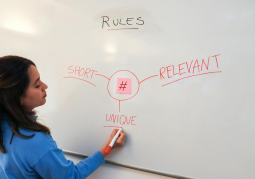
strategy in content marketing has evolved so much over the years!
think about this: strategy in content marketing has evolved so much over the years! from simple blog posts to now including short-form videos on platforms like tiktok. how do you think these changes have impacted brand storytelling?link: https://contently.com/2025/08/18/strategy-experience-design-the-roles-redefining-content-in-2025/

Content Strategy Dilemma
Is it better to focus on creating evergreen content that lasts a lifetime.or churn out fresh posts daily just for SEO? SEO experts say more frequent updates rank higher
but I hate seeing my old gems go stale
Personal Hot Take:
In 2026, the key is balance. Evergreens provide lasting value but need regular refreshes.
>Go wild with new content
>boring to revisit classics
=
>keep both in mix for longevity and engagement
What's your strategy?
function updateContent() { return 'refresh & maintain'; }
think on this:
as content evolves so does its purpose.how are u adapting copywriting strategies to reflect user intent signals in search?