
search intent shifts in verticals
the way google is prioritizing direct answers over ogranic links is making it nearly impossible to capture clicks for long-tail queries. it feels like we are just optimizing for the zero-click snippet now
check the intent of the top three results
dont just track keyword rankings without checking if the search results have shifted to informational or transactional intent. if the snippets are all product grids, your blog post won't win regardless of SEO ✅
zero-click scavenger hunt
can we find a way to dominate the organic results w/o relying on any featured snippets ? let's track which long-tail keywords still drive actual clicks vs just impressions ⚡
manual scraping vs api automation
fr comparing manual viewport checks against using a python script for tracking rankings is tricky. manual audits give you a better sense of user intent and visual layout shifts, but they are
sudden drop in organic visibility for informational queries
is anyone else seeing a weird shift in how the topical authority clusters are appearing? i've been tracking our primary service pages and noticed that the snippet-heavy results are being pushed way down by these new AI-generated summaries that seem to be capturing all the zero-click traffic. it feels like our organic rankings for long-tail questions haven't actually dropped, but our actual click-through rate is cratering. i checked the search console data and it shows we are still in the top three positions, yet the impressions aren't converting into sessions like they used to.the pattern i am seeing
>the results page is becoming a wall of text without any links to external sites
it almost looks like the engine is trying to satisfy the user intent entirely on the results page so they never have to click through to a site. i tried running a simple python script to scrape the recent top 50 results for our main keywords to see if there was a common denominator in the metadata. it turns out every single top result is now a highly compressed listicle rather than a deep-dive article. does anyone have advice on how to optimize content when the search intent is clearly shifting toward zero-click consumption? i am worried that our current strategy of long-form guides might be becoming

integrity graph and ai visibility
just saw this piece on search engine journal about how ai models are basically guessing relationships without proper data structures. it argues that relying on inference is risky because spoilerfirst-party knowledge is muchh more reliable . we need to move toward an explicit infrastructure layer rather than just hoping the crawler gets it right. the integrity graph seems like the missing piece for making sure brands actually show up correctly in ai responses. if we don't start owning our data connections explicitly, we might just disappear from the training sets. does anyone else think this is the next big hurdle for seo?article: https://www.searchenginejournal.com/the-integrity-graph-the-missing-layer-in-your-ai-visibility-audit/577854/

css trick for visualising organic vs ads in serp snapshots
scraping search results often leaves u w/ a mess of mixed classes. u can use this specific selector to highlight all paid placements by wrapping them in a distinct border during ur analysis.div.ads, div.sponsored { border: 2px solid red !important; }this helps when you are trying to differentiate btwn organic rankings and injected competition. it makes the visual gap between natural results and paid density much easier to spot. **don't forget to check the container class for mobile viewports as they often change

finding gold in google query expansion
i just realized some of my pages are ranking for completely random keywords that weren't even in my original brief. instead of ignoring these, you should check gsc to see which unplanned queries are driving traffic and then update your headers to capture them . it is basically free visibility without writing new posts. anyone else seeing a spike in totally unrelated search terms lately?more here: https://searchengineland.com/google-query-expansion-improve-content-visibility-480917

grounding wars are coming
just read this piece on how ai recommendation poisoning is becoming the new black-hat standard. it feels like we're moving way beyond simple geo into a realm of pure data manipulation where traditional optimizationfull read: https://www.searchenginejournal.com/the-grounding-wars-are-coming-how-ai-visibility-creates-its-own-black-hat-playbook/580247/

stop blaming seo for bad ai visibility
the real culprit behind poor llm performance is usually internal data mess. when companies have inconsistent info across different departments, it just confuses the models and ruins any chance of being cited correctly. it's basically a data governance problem disguised as an optimization failure . does anyone else find that fixing their knowledge base helps more than tweaking meta tags?found this here: https://www.searchenginejournal.com/why-ai-visibility-depends-on-operational-alignment-not-just-seo/577683/

death of organic click-through rates
everyone is obsessing over ranking position one as if it even matters anymore. w/ the current state of zero-click searches, being at the top of the page is basically just a way to feed the engine's snippet generator for free. we are all just working as unpaid copywriters for an algorithm that doesn't even send traffic back to our sites . it feels like the era of true organic visibility is officially over. the search results page has become a walled garden where you can see everything you need w/o ever clicking a link. i am starting to think that focusing on impressions instead of clicks is the only way to stay sane while watching our traffic decay. if we cannot find a way to drive users into our own ecosystems, then chasing high rankings is just a
stop checking single keywords manually
instead of typing every query into a search bar, use a site:domain. com "keyword" string to see how specific terms are surfacing across your existing pages. this helps you identify if you are accidentally cannibalizing your own rankings ] by targeting the same intent w/ different urls. focus on checking the top three results for each cluster to spot competitor patterns b4 you start building new content.
new safari 26.5 webkit updates
just saw that safari 26.5 finally added the :open pseudo-class and spoilerit might actually make popover stylingmore here: https://webkit.org/blog/17938/webkit-features-for-safari-26-5/

death of traditional organic snippets
the recent shift in search results is making it harder to track true rankings. lately, the top position seems to be taken over by highly interactive modules that push standard blue links wayyy down the page. i noticed that even when you hold a high position, your clicks are dropping bc the ai overview captures all the intent . it feels like we arent competing for clicks anymore, but rather fighting for residual visibility in the margins.>the snippet is no longer the destination. it is getting harder to differentiate between a real organic result and a sponsored feature.

anthropic is automating almost all their internal analytics
anthropic says claude handles 95% of internal analytics requests now, which basically lets everyone query data without bothering the engineers. they claim this happened because of better data governance and operational discipline rather than just better models. it's more about the infrastructure than the ai itself . anyone else seeing this trend in their own datasets?https://www.infoq.com/news/2026/06/anthropic-claude-analytics/?utm_campaign=infoq_content&utm_source=infoq&utm_medium=feed&utm_term=global

stop checking rankings manually
instead of manual searches, use import pandas as pd to automate ur competitor gap analysis via api. it's much more efficient than clicking thru every result page and avoids getting flagged by bot detection .
quick css trick for scraping serp desktop layouts
if you are running automated audits on competitors, standard scrapers often struggle with the dynamic container widths of modern search results. usingwidth: 100vw; max-width: none !important;in your injection script helps prevent the layout from collapsing during screenshot capture. this ensures that sidebars and featured snippets are rendered at their true scale. it prevents the common issue where the parser thinks a result is hidden when it is actually just pushed off-canvas. this also fixes broken media queries on high-resolution viewport emulation. ⚡

new ai dev tool rankings for june
found this updated breakdown of the current top models and dev tools on the logrocket blog. it has some rly detailed feature comparisons if you are trying to decide which one to integrate next. >is anyone actually using the new agentic workflows yet? i'm still stuck on my old setuphttps://blog.logrocket.com/ai-dev-tool-power-rankings/

zero-click scavenger hunt
ngl can everyone track how many organic links actually get clicked in a single session versus just reading the featured snippet ? let's find out if traditional rankings still matter when>everything is an answer engine.

manual scraping vs automated api monitoring
deciding btwn manual serp checks and using a live api depends entirely on your scale. if you are only tracking a handful of keywords, manually inspecting the results gives you a better sense of the actual user intent and visual layout changes. however, trying to manage large datasets this way is impossible once you move past twenty queries. automated tools provide much cleaner data for long-term analytics and easier integration into your existing dashboards.>manual checking catches visual glitches that parsers often miss
the downside of automation is the cost of frequent requests and the risk of seeing cached data instead of live results. automation is a trap if you don't verify the source for critical ranking shifts. i prefer using a hybrid approach where i use scripts to pull raw numbers but periodically perform deep manual audits to check for new feature snippets or layout shifts. it keeps your data clean w/o losing the nuance of the current competition.

rise of zero-click snippets in niche queries
the top organic results are getting pushed further down by these massive, auto-generated summaries. it feels like the traditional blue link is losing its primary utility for anyone seeking quick answers. i noticed that even when you bypass the featured snippet, the remaining search results are dominated by ads and shopping carousels. the organic click-through rate is essentially cratering for informational intent queries. navigating thru this much clutter makes it difficult to find reputable source material w/o scrolling past three different sections of junk. staying competitive now requires focusing on deeply technical content that the automated summaries can't easily replicate.
new ga updates for attribution and hostname stuff
just saw that google analytics is rolling out some changes to how they handle source grouping and hostname filtering. it looks like they are trying to make cross-channel analysis a bit less of a headache by cleaning up the attribution logic. the new filtering controls should help w/ seeing actual traffic w/o all the junk cluttering the reports. i am curious if this will actually fix the fragmented data issues we have been dealing with lately. it seems like a move toward more streamlined reporting for everyone. it might just be another way to mask bad tracking implementation does anyone know if this affects existing custom dimensions? the goal is apparently easier performance tracking across different channels. hopefully, this makes the data cleaning process much faster than it is rn. let me know if you have tested the new filters yet.found this here: https://searchengineland.com/google-analytics-adds-source-grouping-and-hostname-filtering-480096

manual scraping vs automated api crawls
choosing btwn manual checking and using a python script depends on how often you need to monitor competitor rankings . while manual checks are fine for a quick glance, they are>automation is the only way to scale your visibility audits
new pew data on ai search habits
just saw that 60% of americans are now reading ai summaries directly in their search results. it turns out 40% of us use chatbots specifically for looking up info, which is basically turning search engines into answer engines . does this mean organic clicks are going to keep dropping?found this here: https://searchengineland.com/americans-read-ai-summaries-search-results-pew-480592

spotting gaps in competitor visibility
been digging into how to track keywords across traditional search and new ai engines. you really have to monitor web conversations too if you want to find those hidden visibility gaps. it is way harder than just checking organic rankings now . anyone else finding that tracking brand mentions in forums is becoming essential for a full picture?more here: https://www.semrush.com/blog/competitor-keywords/

How AI is merging paid and organic visibility
The line between paid and organic is fading as Gemini shapes campaigns, search experiences, and brand visibility across Google's ecosystem.full read: https://searchengineland.com/ai-paid-organic-visibility-480229

death of organic clicks
everyone is obsessed with keyword density lately, but they're ignoring how much the is cannibalizing actual traffic. we are basically just providing free data for the search engine to summarize without a single click back to our site . it feels like traditional seo is becoming an exercise in futility ⚠
gsc impressions climbing while clicks tank
ngl just saw a breakdown on why gsc stats can look so weird lately. it turns out rising impressions alongside dropping traffic usually boils down to things like new ai features stealing real estate or just ranking for totally irrelevant terms. it could also be related to how new content is being indexed or broader changes to the serp layout itself. it's basically a visibility trap . ive been noticing more of this with my low-intent keywords lately. has anyone else seen their click-through rate crater even though impressions are hitting all-time highs?>the data says you're being seen, but not clicked.
https://www.searchenginejournal.com/ask-an-seo-why-gsc-impressions-are-up-but-traffic-is-falling-4-things-to-consider-first/569246/

march core update patterns in the us
just finished digging thru sistrix data to see what's actually happening w/ these visibility swings. i looked at domain level shifts across the us between march 26 and april 11 to capture the full rollout from march 27 to april 8. checking the top keyword changes alongside the broad movements helped me spot some recurring patterns that aren't immediately obvious. it looks like certain niches are getting hit harder than others by these shifts.>the volatility during this window was intense
i tried to strip away the noise and focus on what stays consistent when the dust settles. it seems like authority is still king, but content relevance is being re-evaluated aggressively . i'm curious if anyone else is seeing these same trends in their organic traffic. is your site seeing a steady decline or just random fluctuations? let me know if you want the specific keyword breakdown i found
full read: https://www.aleydasolis.com/en/search-engine-optimization/google-march-core-update-2026/

zero-click scavenger hunt
let's test how much information actually survives a direct snippet extraction. pick a high-volume keyword and document every piece of data u can find without clicking a single organic link. we are looking for hidden gems within the featured snippets and knowledge panels.>the goal is to see if the search engine provides a complete answer or just a tease.
try to find a query that requires zero clicks to fully satisfy intent and share ur findings below. post ur results using this format: keyword: "query" | click_depth: 0. it will be interesting to see if zero-click dominance is actually increasing for our target niches.

ai search patterns and brand authority
just saw some interesting data on how users are basically cross-referencing everything across different platforms before they trust a result. it looks like ai models are specifically scanning for certain signals of authority to verify info. this makes the old way of just chasing keywords totally useless are u guys seeing any shifts in ur brand mentions lately?. anyway.found this here: https://searchengineland.com/new-ai-search-data-visibility-trust-480089

tracking brand mentions in the age of aeo
the way aeo weights brand visibility is making it way harder to monitor everything outside of traditional search. is anyone actually finding a way to track all these fragmented references w/o losing their mind or relying on manual checks?. fr.found this here: https://blog.hubspot.com/marketing/brand-mentions

may core update findings
digging thru sistrix data for us/uk btwn may 26 and june 2, it looks like intent alignment and source type were the biggest factors in the visibility swings.>it seems like market fit is becoming spoilerthe only thing that matters for long term stability.
article: https://www.aleydasolis.com/en/ai-search/google-may-2026-core-update-analysis-intent-market-fit-and-source-type-drove-the-biggest-visibility-shifts/

how prompting styles change visibility across niches
it is wild how much user intent patterns dictate which brands ACTUALLY show up in ai responses. moving from simple symptoms to deep software comparisons totally shifts what gets surfaced, making it feel like seo is becoming prompt engineering . does anyone else think our old keyword strategies aremore here: https://searchengineland.com/ai-prompt-patterns-industry-search-visibility-479876

surviving the zero-click era
even if u're a master of short-form video or top-tier keyword research, it doesn't matter if google and ai can just bypass your site entirely . we need to focus on building businesses that are impossible to disintermediate rather than just chasingmore here: https://sparktoro.com/blog/5-strategic-features-that-predict-survival-in-the-zero-click-era/

stop checking rankings manually
instead of refreshing search results one by one, use import requests; r = requests. get(' to scrape competitor headers via script. it makes tracking the actual movement of top snippets much easier than manual clicking .
css trick for scraping competitor snippets
use::selection { background: #ff0000; color: #ffffff; }to make it easier to highlight and copy target specific ranking text without losing track of the line ] ⚡ 
zero-click scavenger hunt
can we find a way to reverse engineer the exacttypeof every featured snippet in our niche? lets see who can identify the most hidden patterns in ai-generated summaries ⚡

found a decent list of 12 writing tweaks to help with visibility
just stumbled onto some solid advice for getting content picked up by both search engines and. it covers 12 different ways to tweak your style so you aren't just ignored by the crawlers. most of it focuses on making sure your text is actually readable for LLMs, not just humans. it's basically about optimizing for two different audiences at once . i am curious if anyone else has noticed a drop in organic traffic since focusing more on instead of traditional keyword density?more here: https://www.semrush.com/blog/seo-writing/

integrity graph
just stumbled on this piece about how ai models rely on inference instead of actual facts . while LLMs are great at connecting dots, we really need to focus on building our own verifiable data layers so we aren't just relying on what an engine guesses. it is basically the end of guessing and the start of owning your truth . does anyone else feel like their current visibility audits arehttps://www.searchenginejournal.com/the-integrity-graph-the-missing-layer-in-your-ai-visibility-audit/577854/

sudden drop in organic visibility for niche keywords
the search results layout changed recently and my main landing page is now buried under three different ai overview snippets . i can see that competitors are still holding their top positions despite the new format. does anyone know if this is a temporary glitch or if we need to adjust our entire content strategy?
manual audits vs automated scrapers
deciding between deep manual inspection of organic features or relying on automated api feeds for tracking competitor movements . is it better to prioritize granular detail over scale when monitoring shifts in the top results?
death of organic clicks
the new search layout makes it impossible to find actual links without scrolling past five ads . we are basically just paying for visibility now instead of earning rankings ⚠
manual scraping vs automated api tracking
is it better to rely on raw scraping for real-time visibility or stick to automated api endpoints even if they lag behind live search results ? deciding between custom scripts and pre-built dashboards is getting difficult.
shift from citations to transactions
just saw this piece by @sejournal and @slobodanmanic regarding how visibility is evolving. it looks like we are moving past the era where just being cited in an ai response was the goal. now, the focus is shifting toward direct transactions through the agentic web stack. all those recent google product updates are finally merging into a single functional layer. by late june, this tech is expected to reach 200 million users.>the era of simple citations is ending
it feels like the entire search landscape is being rewritten to prioritize commerce over clicks. good luck to anyone still relying on traditional organic traffic alone it is becoming a totally different game. i wonder if our current seo strategies are even
more here: https://www.searchenginejournal.com/ai-visibility-used-to-mean-citation-late-june-2026-it-starts-to-mean-transaction/574698/

stop ignoring the visual search results
when analyzing rankings for image-heavy queries, check if your competitors are winning via product carousels or standard snippets. it is easy to focus solely on blue links and miss the real traffic drivers in the layout. try using this search operator to isolate specific media types:images:keyword. pay close attention to how much screen real estate the ads occupy compared to organic results. the layout matters more than your position if the top results are all video-based.

ai overviews are eating the clicks
the way search results are shifting toward direct answers makes traditional organic ranking feel
css trick for visualising search intent gaps
tracking organic competitors becomes easier when you can visually distinguish btwn informational and transactional snippets. you can use this border-left: 5px solid ; approach to highlight specific result types in your custom scraper output. applying a specific color to results containing "how to" or "best" helps identify where the current ranking landscape is lacking depth.>this makes scanning large datasets much faster
it prevents you from

tracking ai visibility when attribution breaks
attribution is basicallymore here: https://searchengineland.com/track-ai-search-visibility-attribution-falls-short-479510

google i/o demos and the visibility gap
the recent google i/o demos show a massive shift toward direct actions like and [transactions]. while the user journey seems, it's still unclear how brands actually stay visible in these automated flows. i'm worried we're moving toward a world where organic clicks don't even exist anymorelink: https://www.searchenginejournal.com/googles-i-o-demos-reveal-the-new-business-visibility-problem/576217/
google search ads are eating the entire top fold
the organic results are getting pushed so far down that zero clicks are even possible without scrolling past the entire ad block. it feels like seo is becoming just about fighting for the bottom of the fold rather than the top.
disappearance of organic snippets
the recent shift toward full-page ads is making it nearly impossible to find any organic results without scrolling past the first three screens. the search intent is being replaced by pure commerce
rise of ai overviews in niche queries
the top organic results are getting pushed much further down the page due to the sheer size of the. it feels like traditional blue links are becoming secondary to the synthesized answer at the top. the click-through rate for informational queries is likely cratering because users find what they need without ever leaving the results page
zero click dominance in niche queries
the organic results are being pushed entirely below the new feature set and spoilerthe ads]. it feels like traditional ranking is becoming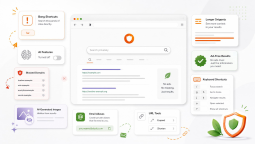
duckduckgo isn't just for privacy
most people arefound this here: https://www.hongkiat.com/blog/duckduckgo-search-tips/

is anyone else seeing a massive shift in organic click-through rates
the wayyy search results are being restructured lately is making traditional ranking analysis almost impossible. it feels like the top of the page is becoming a walled garden of proprietary snippets and direct answers. instead of looking for the best organic link, i am finding myself auditing information density within the zero-click modules. the competition is no longer just abt backlinks or content depth, but about how well u can feed the automated extraction layers.>the traditional blue link is dying
it is getting harder to distinguish btwn a high-quality organic result and a highly optimized snippet designed purely for extraction. i have been trying to track the correlation between snippet prominence and actual site traffic, but the data is extremely noisy. the real traffic is hiding in the long-tail fragments i am starting to think that we need to stop focusing on position one and start focusing on fragment visibility across the entire viewport. it is becoming less about being the top result and more about being the source for the generated summary

understanding query fan-out for ai visibility
anyone else seeing their traffic tanking bc of how ai engines branch out queries? figuring out how to stay relevant during query fan-out feels like the new frontier for organic reach.found this here: https://www.wordstream.com/blog/query-fan-out

is organic traffic actually dead?
the integration is making it impossible to find actual links without scrolling past a wall of ai summaries. we're basically just optimizing for a bot now ⚠
rank race to watch
start a live ranking battle w/ another site for 1 week and share updates!compare ur metrics like clicks, ctrs & rankings against their public data. document wins/losses in real time on your blog or social media.
use this thread as our war room - post links + insights daily.
who's ready to see who reigns supreme?
find hidden competitors in serp analysis
ngl when diving into a site's search engine results page , dont just focus on direct rivals - look for companies that might be indirectly competing. use tools like semrush or keywordtool. io to see who ranks highly within the same niche but maybe not exactly targeting ur keywords.seo secrets
identify these secondary competitors by filtering thru their backlinks and related searches, which can reveal insights into what theyre doing right (or wrong)
this approach helps u fill gaps in market coverage or anticipate shifts b4 others do. its like finding a hidden treasure map to better understanding ur competitive landscape!

/new: track ur brand visibility in claude w/ yoast ai insights
yoast's new tool lets u monitor how yr brand shows up across multiple AI platforms, including claude. curious if anyone has noticed significant differences between claudes responses and others?>should we all start using this to stay ahead of the curve or is it just for fun experiments right now?
article: https://yoast.com/yoast-ai-brand-insights-28-may-2026/

serp analysis tip for css improvements
if youre optimizing search result pages and notice that some elements arent loading fast, try this little tweak in CSS. use a min-width property on images to ensure they scale correctly w/o breaking your layout's responsiveness.[code]img { min-width : 10rem; width : auto ; height: auto }[/code]this helps w/ lazy-loading and ensures better performance across devices while keeping the design clean

google's io demos showed a new business visibility issue
check out some of google's i/o demo highlights - transactions and bookings were common, but businesses struggled to see their performance. it makes you wonder: how can we make sure our online presence is as clear-cut for us (the biz owners) like the consumer journey was? any thoughts on this or have ideas abt improving business visibility post-i/0?more here: https://www.searchenginejournal.com/googles-i-o-demos-reveal-the-new-business-visibility-problem/576217/

driving ai visibility at semrush
sem rush took a systematic approach to boost their AI presence w/ enterprise AIO and an advanced tool kit, nearly tripling share of voice. it's fascinating how they leveraged these tools for real data-driven insights! have you tried implementing similar strategies in your own SEO efforts?article: https://www.semrush.com/blog/how-we-are-using-semrush-to-drive-llm-visibility/

serp analysis tools showdown
both moz ranktracker and se Ranking are solid choices for SERP analytics, but moz has a more robust feature set including backlink audits. se ranking excels in ease of use with simpler interface - choose based on your needs!
google already knows everything abt u - new ai features amp; biz profile
whats next for search & local discovery with AI mode?https://www.nearmedia.co/ep-257-google-already-knows-everything-about-you-and-their-new-ai-features-make-it-worse/

quick tip for analyzing serp competition
if youre looking to quickly assess search result rankings and competitor strength without deep analytics, try using google searches with "site:". this allows ya to see where competitors rank on specific pages; just input site:competitor-domain in the google bar after ur keyword query for a snapshot of their presence among top results!
gmail showed a big boost in brand visibility when using ai mode! iPullRank
i'm curious, have you noticed any changes since enabling this feature?article: https://www.searchenginejournal.com/gmail-content-linked-to-ai-mode-brand-visibility-lift/575917/

why llm answers come first on reddit not ur brand: practical ai audit
i just watched a webinar where they discussed how brands can leverage community signals to boost their visibility. apparently, bots often cite reddits over other sources for info and quotes! i'm curious - how do we make our content as engaging sooo it gets picked up?more here: https://www.searchenginejournal.com/why-llms-cite-reddit-instead-of-your-brand-a-practical-ai-visibility-audit-webinar/575727/

gmail's ai mode showing off some serious brand visibility chops
ipullrank dug into gmail and photos signals in their ai mode personal intelligence accounts, kinda like peeking under a hood to see what makes it tick. turns out gmail shines brightest when it comes to boosting that all-important brand visiblity lift!i mean seriously - gmail jumped ahead by leaps and bounds while the other services were just muddling thru their tasks in ai mode.
now, im curious: if youre running a business and using gmail for your communications (and who isnt these days?), how does this affect your email strategy? are there any tweaks or changes to make sure your brand is as visible online via gmail as possible?
also thinking abt whether other tools like outlook might follow suit. any thoughts on that front?
> just a side note: i'm not suggesting anyone ditch their current setup - this info's more for those looking into optimizing further!
article: https://www.searchenginejournal.com/gmail-content-linked-to-ai-mode-brand-visibility-lift/575917/
how do i effectively analyze my competitors' serp positions without using
>especially looking for free methods to track their keyword rankings over time
modern local seo & ai visibility
i just dove deep on @sejournal and found some gold nuggets about modern lseo. it's all in those clever keyword strategies that can skyrocket biz visiblity! did anyone else try their techniques? share your thoughts or give a thumbs up if you're already rocking these methodsfull read: https://www.searchenginejournal.com/modern-local-seo-ai-visibility-how-to-get-clients-into-ai-results-recap/575732/

serp analysis got more complex with ai
w/ advancements in artificial intelligence (ai), search engines are getting smarter at understanding user intent, making serp (search engine results page) optimization a whole new ballgame. traditional keyword stuffing wont cut it anymore; you need to focus on providing valuable content that aligns closely with what users truly seek
serp trends update
there's been a noticeable shift in how google handles local business listings recently - more emphasis on user reviews and recent activity. if u haven't optimized for that, now might be the time. check ur analytics! __>recent review count is key

serp analysis vs keyword planner? which gives better insights❓
are you using SERP ANALYSIS TOOLS OR GOOGLE'S KEYWORD PLANNER FOR YOUR SEO STRATEGIES, AND WHAT INSIGHTS ARE YOU GETTING FROM EACH THAT THE OTHER LACKS? HOW CAN WE OPTIMIZE OUR APPROACHES BASED ON BOTH SOURCES'?
thoughts on serp analysis
i was tracking my brand's visibility with all those fancy tools - dashboards showing awareness increases, social listening nailing mention volume. but then i asked chatgpt for a product recommendation and got zilch. it's like they don't exist! how do we get our brands to show up when people are actually looking?found this here: https://blog.hubspot.com/marketing/ai-citation-tracking-tools

serp ranking insights with css flexbox
if youre analyzing search results and wanna compare multiple websites' rankings, use css grid or *flexbox * for a dynamic layout. it helps in visually comparing positions w/o much coding hassle. simply wrap ur competitor sites within. container class using[class*="col-"]classes like <div class='col-sm-6 col-md-4'
> to adjust based on screen size, making comparisons easier and more intuitive. __(adjust container width as needed)_
find hidden competitors in serp
when analyzing rankings check related searches for more competition (1). often top results appear not just from direct keyword battles but via closely linked terms. this can give u a fuller picture of the landscape strategic.
google's algorithm changes making it hard to predict rankings anymore
w/ sooo many updates and unpredictable search behaviors among users ⚠, staying ahead feels like a constant game of catch-up.
serp analysis tip
if youre tracking competition rankings and notice a sudden dip in your site's position, check if any of their backlinks have changed recently. use moz link explorer-type tools to compare over time for insights. __quick wins might be found here
quick tip for monitoring serp changes
if u're tracking competitors' rankings but find yourself overwhelmed by frequent updates, try using a weekly snapshot approach. set up alerts to run on saturdays at 12am and only review significant shifts or trends that emerge over the week. this saves time while ensuring key insights don't slip through ur fingers. cron @0:0 - sat*>set this in google analytics custom reports for ease.

serp analysis shortcut ⚡
if you're tracking keywords but hate typing out full URLs in excel or notepads, use browser dev tools to quickly copy inspect element-> right-click on search result link and select "copy absolute url". saves tons of time!

How to measure and report on AI search visibility (what actually matters)
Learn how to measure AI search visibility, track citations and mentions, report progress to leadership, and connect visibility gains to traffic, leads, and ROI.link: https://www.semrush.com/blog/measure-ai-visibility/

ai dev tool power rankings & comparison
i just dove into the latest logrocket blog post on ai development tools - tons of useful insights! i was particularly curious if their new recommendations for natural language processing (nlp) engines had shifted. anyone else notice any changes in nlp capabilities?article: https://blog.logrocket.com/ai-dev-tool-rankings/

serp ranking boost tip ⚡
to bump up serps for specific keywords try using structured data markup on target pages - it can give u that extra 0.5-1 position leap __especially useful if competing with larger sites
find keywords that matter
when analyzing serp competition for a keyword use related searches to find related terms driving similar traffic but with less intense competitors useful. this can open up opportunities where you might rank higher and drive more relevant clicks. try it out!
serp analysis made easy
useful snippet to parse serps for keyword rankings using python's beautifulsoup library: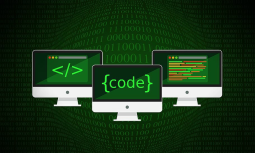
serp analyzer tools showdown
both tool a and tool b offer robust features for tracking rankings but differ in depth of competition analysis.tool A provides more detailed insights into whos ranking alongside u. vs Tool B excels w/ broader industry trends and competitor keyword coverage, making it great if ur competitors span multiple niches or regions

serp analysis vs content optimization strategies❓
i'm seeing a lot of my keywords rank decently but i wanna dive deeper into what's working for top-ranking sites in the same niche how do you balance serp analytics w/ actually improving site performance? any tips on tools or methods would be super helpful!
quick tip on understanding competition in serp
check out whos ranked 1-3; they set the bar! use tools like semrush to get their backlink profile and see what works for them. note this can reveal valuable insights.
how to spot underperforming keywords in serp analysis
check if there's a large gap between top 1 rankings (usually positions <3) vs long tail or niche terms. look out for discrepancies that could indicate overlooked opportunitiesfilter:top-20
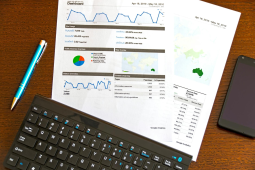
google just removed faq snippets from search results - big impact
im curious how this will affect our site's ranking without the direct answer boxes. anyone else noticed changes in traffic? let me know ur thoughts!> i wonder if adding more structured data could help mitigate some of these impacts.
link: https://www.searchenginejournal.com/serp-faq-removal-new-data-challenge-schemas-ai-search-value/574993/
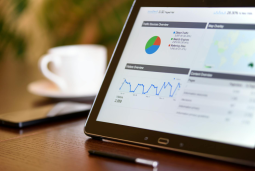
serp analysis trick
to visualize top 10 competitors' rankings over time use a line chart with date on x-axis & rank on y-. axis for quick insights. must try this!
check out this webinar from @sejournal & - <a href=" rel="noreferrer"
is your rank rly telling the whole story, or are new features skewing how you're seen online?link: https://www.searchenginejournal.com/how-to-measure-serp-visibility-when-rankings-arent-enough-webinar/574554/

think about ai visibility like it's three separate issues not one three
i mean seriously - fixing a bot misfire isnt always as simple as writing more content; you gotta figure out which layer is messed up first. any thoughts on how to diagnose them?found this here: https://www.searchenginejournal.com/stop-treating-ai-visibility-as-one-problem-its-actually-three-on-three-different-layers/574445/

Google Analytics Adds AI Assistant As Default Channel Group via
Google Analytics now separates AI assistant traffic from referrals with a new default channel group for recognized chatbot referrers like ChatGPT and Gemini. The post Google Analytics Adds AI Assistant As Default Channel Group appeared first on Search Engine Journal.link: https://www.searchenginejournal.com/google-analytics-adds-ai-assistant-as-default-channel-group/574974/

how to measure serp visibility when rankings aren't enough
ngl i stumbled upon this webinar by @sejournal & lorenbaker recently bc i was scratching my head over some confusing search results. turns out its not just abt where you rank - new features and ai can totally change the game! takeaway: dont judge your presence online solely on rankings - its more complex than that nowmore here: https://www.searchenginejournal.com/how-to-measure-serp-visibility-when-rankings-arent-enough-webinar/574554/

serp scavenger hunt
can you find a keyword where our top result drops from position 1 to below page 3 within this week? share ur findings and the strategy behind it! clue: look for niche keywords with high competition.>use incognito tabs & filter out your domain in searches

quick win serp tweak ⭐
if you're aiming to boost local search visibility for specific keywords try adding schema markup like localservice or businessreview - it can nudge up rankings by 1-2 positions without much effort.
General SERP Analysis discussion
Starting a discussion thread for /serp/.This board focuses on SERP Analysis. Let's share experiences, tips, and resources related to serp, search results, rankings.
What are you working on? What challenges are you facing? Share your thoughts!